
How many years does a rooftop solar system take to pay for itself?
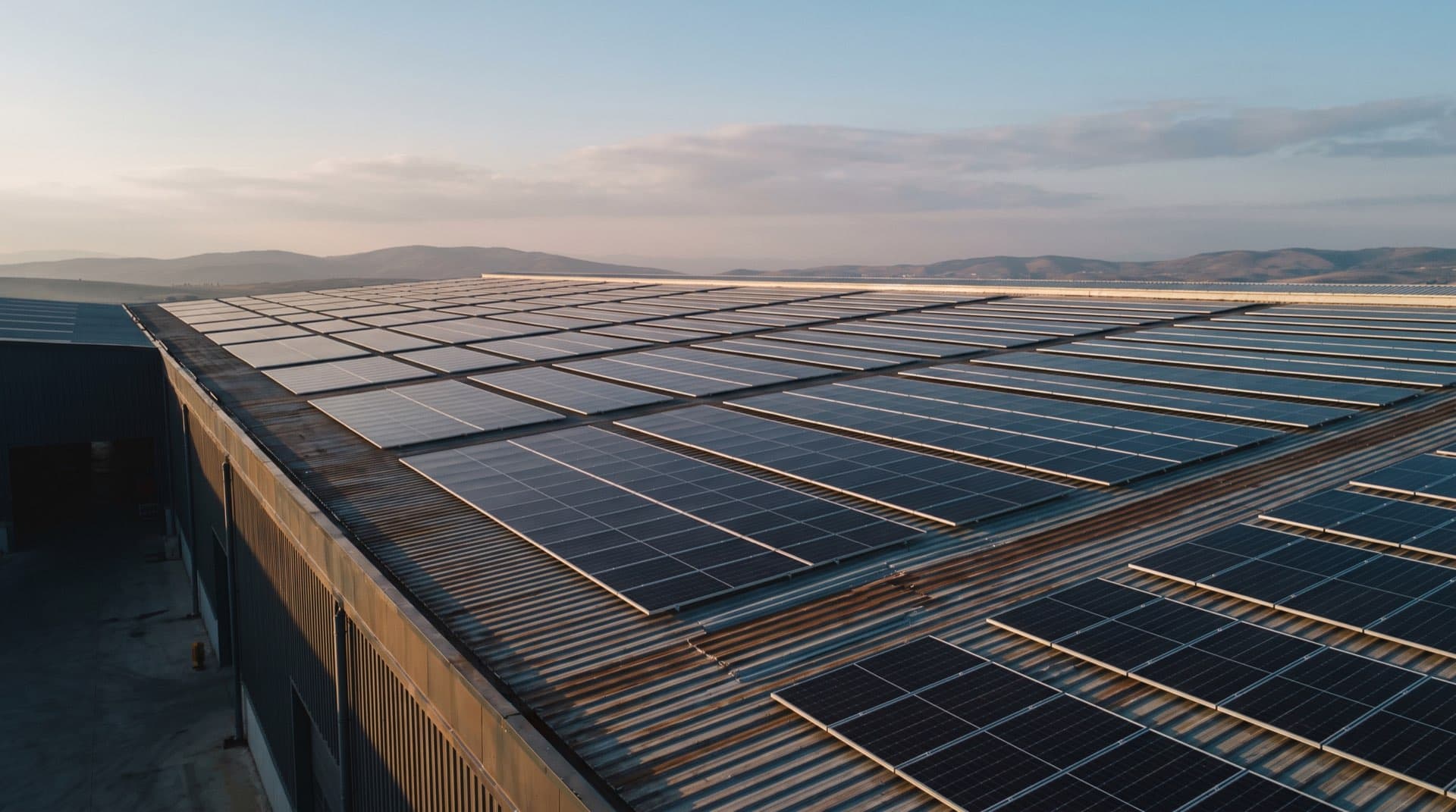
Everyone thinking about installing a solar energy system asks the same first question: how many years until this investment pays for itself? The short answer: for the systems we install, usually 3-5 years. The long answer is about what makes that range shorter or longer.
What matters is self-consumption, not production
You use the electricity you produce first; any surplus you don't use is fed into the grid and offset against your bill. But the savings from offsetting are lower than the savings from using the electricity yourself. So the real question isn't "how much am I producing?" but "how much of what I produce do I use myself during the day?"
In a business that runs during the day, production and consumption fall in the same hours, so the self-consumption rate is high and payback is shorter. In homes, consumption shifts to the evening, so for residential systems the calculation is done a little more cautiously.
Roof direction and shading
Two systems of the same capacity on two different roofs don't produce the same amount of electricity. The roof's direction, its pitch and the shade that falls on it during the day directly affect production. A chimney, a neighboring building that juts out or a tree that has grown tall can take part of the panels out of action at certain hours of the day. It's one of the first things we look at during a site survey.
How big should the system be
A typical system is 5-10 kWp for detached homes and 50-500 kWp on business and factory roofs. The right capacity is set by your annual consumption more than by roof area. Factory roofs are large, so there the limit is usually consumption, not the roof.
The goal isn't to bring the bill down to zero. A system larger than you need feeds its surplus into the grid at a lower value, which makes the payback period longer.
After payback
Panels are long-lasting products. Once the system has paid for itself, the electricity you produce costs you nothing; the remaining years are straight gain. That's why the payback period isn't a finish line — it's the moment the investment has covered its own cost.
A calculation for your case
General ranges give you an idea, but they aren't enough to make a decision. Send us your latest bill and your roof details, and we'll work out production and payback based on your consumption and share it with you. During the site survey we also check the roof's direction, the shading and the condition of the electrical panel on site.